How Grooming Improves Your Pet’s Health and Happiness
Infection prevention and hygiene are critical pillars of safe and effective medical laboratory practice. Proper hygiene protocols protect laboratory personnel, patients, and specimens while ensuring the accuracy and reliability of test results.
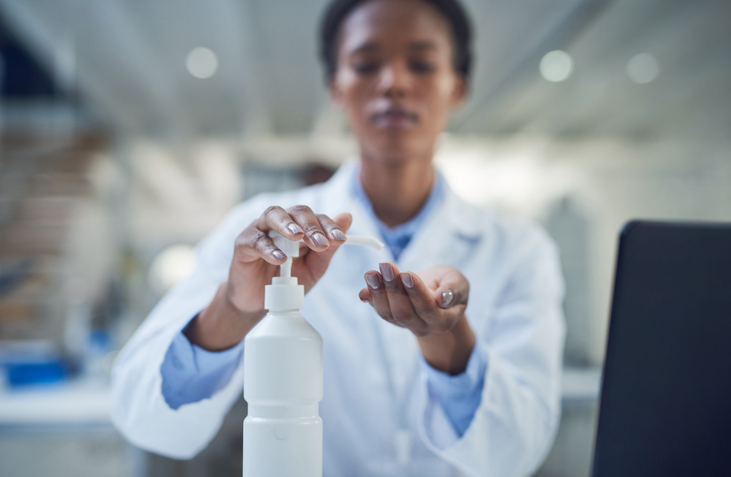
One of the most important aspects of infection prevention is hand hygiene. Regular and proper handwashing or use of alcohol-based hand sanitizers significantly reduces the spread of pathogens within the laboratory. Hands should be cleaned before and after specimen handling, after glove removal, and before leaving work areas.
The correct use of personal protective equipment (PPE)—including gloves, lab coats, face masks, and eye protection—forms a vital barrier against exposure to infectious agents. PPE must be worn appropriately, changed when contaminated, and disposed of according to biosafety guidelines.
Work surface and equipment disinfection is equally essential. Benches, centrifuges, analyzers, and frequently touched surfaces should be cleaned and disinfected regularly using approved laboratory disinfectants. This practice minimizes cross-contamination and reduces the risk of laboratory-acquired infections.
Proper specimen handling and waste disposal further supports infection control. Samples must be labeled correctly, transported in leak-proof containers, and processed following standard operating procedures. Biohazardous waste should be segregated, treated, and disposed of in compliance with regulatory standards.
Routine training and compliance monitoring help reinforce good hygiene habits. Regular refresher training ensures staff remain aware of infection risks and stay up to date with evolving biosafety and hygiene protocols.
By maintaining strict infection prevention and hygiene practices, medical laboratories safeguard staff health, protect patients, and uphold the quality and credibility of diagnostic services.