Laboratory Safety and Best Practices in Medical Laboratories
Laboratory safety and best practices form the foundation of effective and reliable medical laboratory operations. A safe laboratory environment protects staff, patients, and visitors while ensuring the accuracy and integrity of diagnostic testing.
One of the primary goals of laboratory safety is the prevention of workplace hazards. Medical laboratories present various risks, including biological, chemical, physical, and ergonomic hazards. Identifying these risks and implementing appropriate control measures significantly reduces accidents and injuries.
Adherence to standard operating procedures (SOPs) is critical to maintaining safety. SOPs guide staff on proper specimen handling, equipment use, chemical storage, spill response, and emergency procedures, ensuring consistency and minimizing human error.
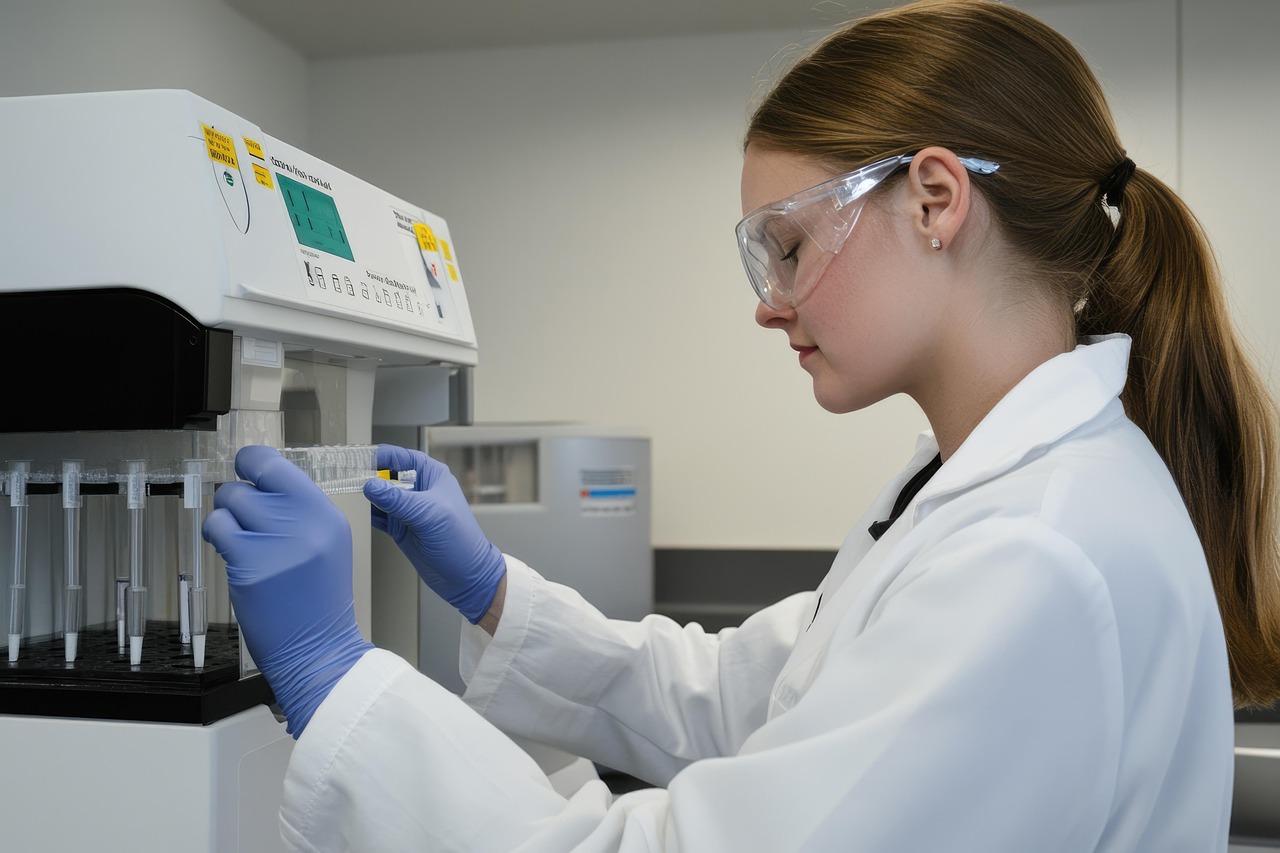
The correct use of personal protective equipment (PPE) is another essential best practice. Lab coats, gloves, masks, and eye protection act as barriers against exposure to hazardous materials and must be worn, removed, and disposed of correctly.
Maintaining a clean and organized workspace supports both safety and efficiency. Proper housekeeping, equipment maintenance, and surface disinfection help prevent contamination, equipment malfunction, and workplace accidents.
Continuous training, supervision, and safety audits strengthen laboratory safety culture. Regular training ensures staff remain competent and aware of evolving risks, while audits help identify gaps and reinforce compliance with safety standards and regulations.
By following laboratory safety best practices, medical laboratories create a secure working environment, protect their workforce, and deliver reliable diagnostic services that support quality healthcare.