The Importance of Proper Sample Handling and Biosafety in Medical Laboratories
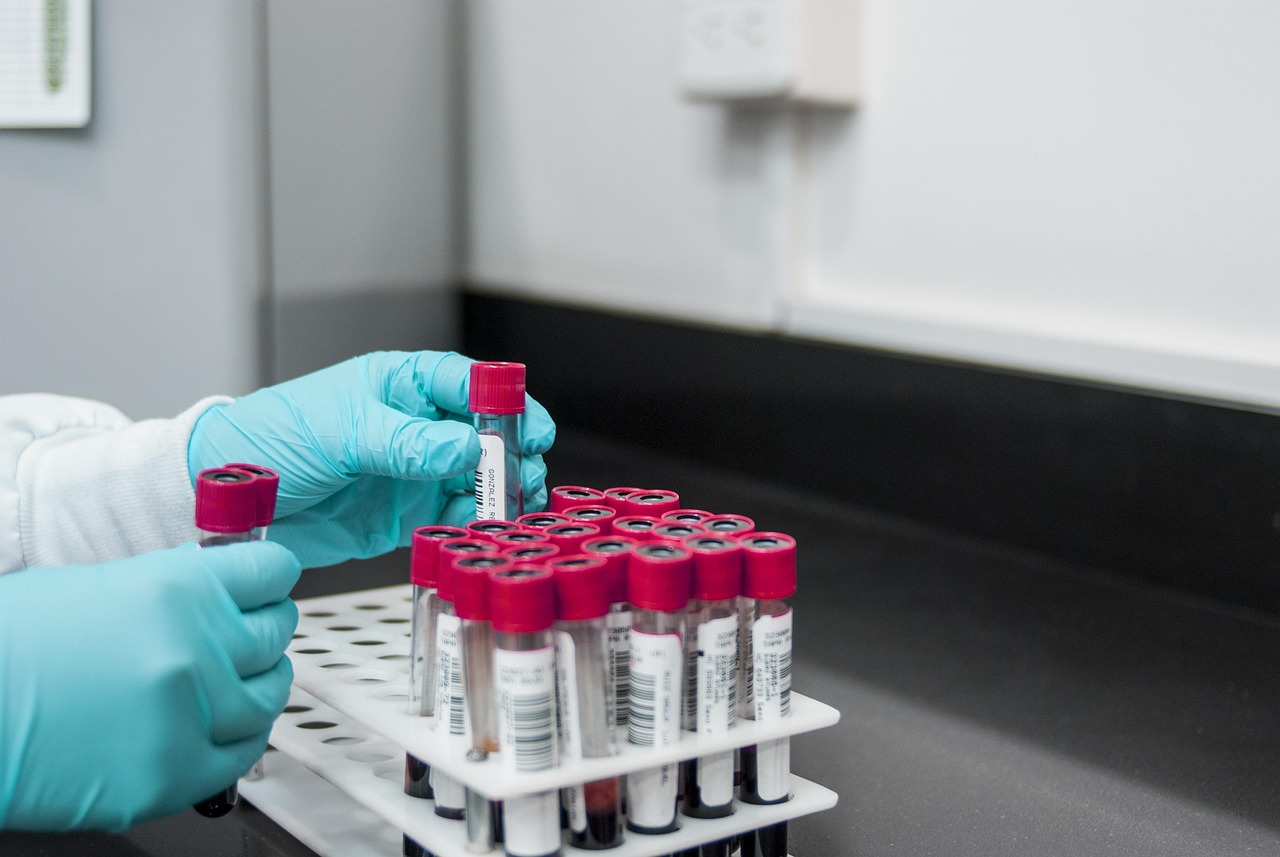
Proper sample handling and biosafety are fundamental to safe and reliable medical laboratory operations. Every specimen—whether blood, urine, tissue, or swab—must be handled with care to protect laboratory personnel and preserve the integrity of diagnostic results.
One of the key benefits of strict biosafety practices is the prevention of exposure to infectious agents. Clinical specimens may contain bacteria, viruses, or other pathogens that pose health risks if mishandled. Adhering to biosafety protocols significantly reduces the risk of laboratory-acquired infections.
Correct specimen collection, labeling, and transport are critical first steps. Samples must be collected using sterile techniques, properly labeled to avoid mix-ups, and transported in leak-proof, biohazard-labeled containers to prevent spills and contamination.
Once in the laboratory, samples should be processed according to established standard operating procedures (SOPs). This includes using appropriate containment equipment such as biosafety cabinets, wearing personal protective equipment (PPE), and minimizing aerosol generation during handling.
Proper storage and disposal of specimens further support biosafety. Samples must be stored at the correct temperature and disposed of promptly using approved biohazard waste management systems to prevent environmental contamination and accidental exposure.
Regular training and competency assessment ensure that laboratory staff remain aware of biosafety risks and follow best practices consistently. Continuous education reinforces safe behaviors and supports compliance with international standards and regulatory requirements.
By maintaining high standards in sample handling and biosafety, medical laboratories protect their workforce, ensure diagnostic accuracy, and uphold patient and public health.